


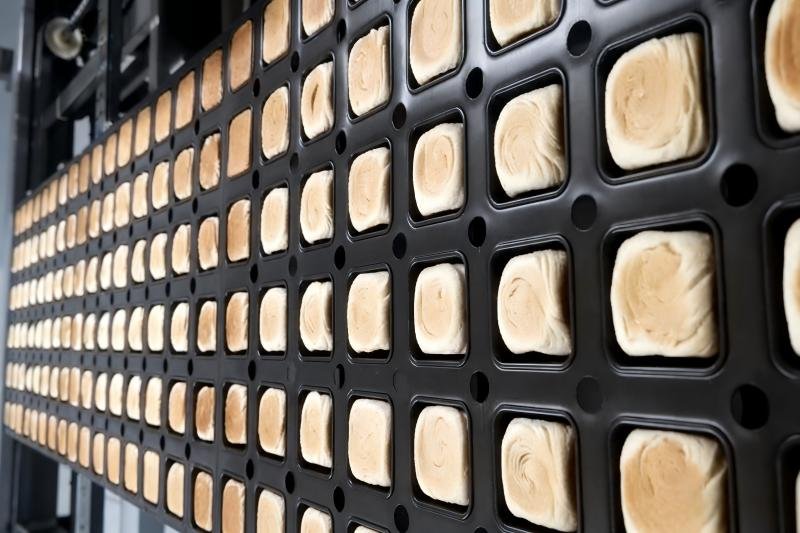
Your cakes are sticking and falling apart. This wastes ingredients and your valuable time. Choosing the right pan coating1 is the simple fix to stop this frustrating problem for good.
Using the wrong coating on a baking pan leads to products sticking, which ruins the food and the pan itself. Scraping off stuck food can destroy the coating’s lifespan. More seriously, exceeding a coating’s temperature limit2 can release harmful substances, creating a major food safety issue3.
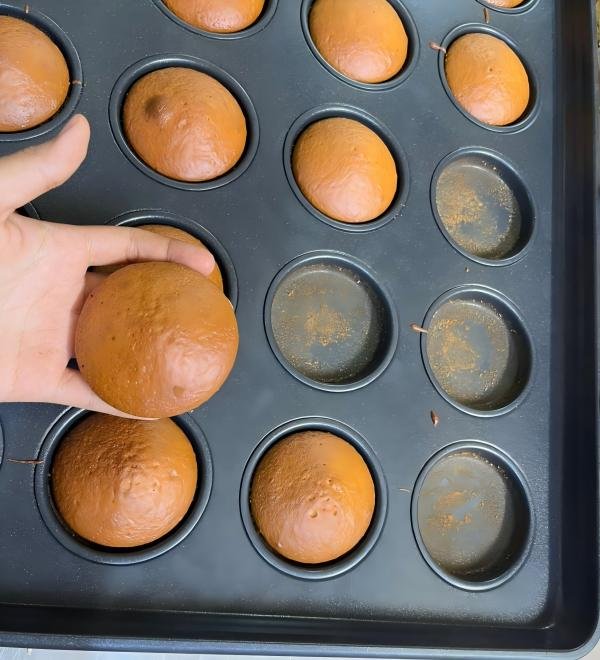
It sounds simple, but this mistake happens more often than you would think. I have seen it happen firsthand with my own clients. A customer once called me in a total panic, and what I found when I arrived was a classic case of using the wrong tool for the job. So, what exactly makes the coatings for different baked goods so unique? Let’s break it down and look at the details.
Why does a bread pan coating fail for cakes?
You thought "non-stick" meant non-stick for everything. Now your beautiful, delicate cakes are stuck fast to the pan. The reason is simple: cake and bread require completely different surface properties to release properly, and using the wrong one creates a sticky mess.
Bread pan coating1s are designed for low-sugar doughs and often have a slightly textured surface for crust formation. High-sugar cake batter chemically bonds to this surface, causing severe sticking. Cake-specific coatings are smoother and formulated to release sugar-rich, delicate products4 without damage.
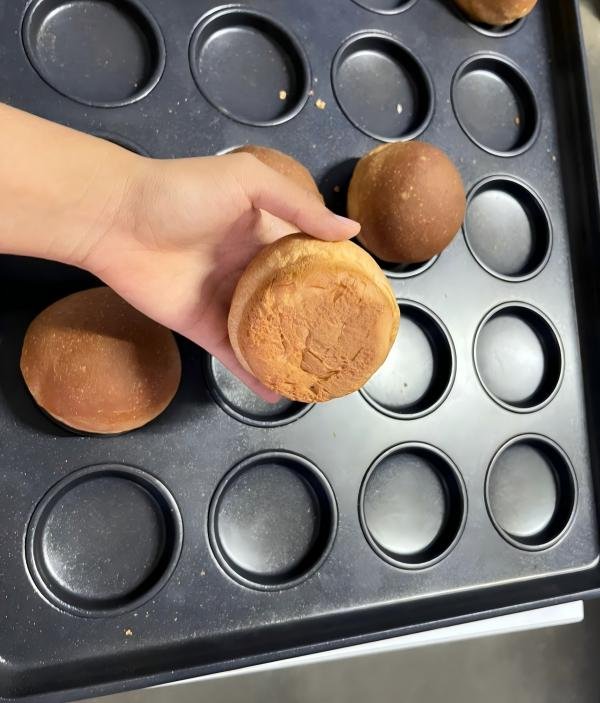
I remember getting a call from a client who was starting a new cake line. He was furious. He had just bought a set of our durable bread pans, which he loved for his artisan loaves. He assumed they would work just as well for a new high-sugar pound cake recipe. The entire first batch was a total loss, completely welded to the pans. His team then tried to save the pans by cleaning them with metal spatulas. In just a few minutes, they had scraped away the coating, instantly ruining a set of pans that should have lasted for two years. He lost the product, the labor, and the cost of the pans all at once. The core issue here is chemistry and texture.
Baking Pan Coating Design Philosophy
| Feature | Bread Pan Coating (e.g., Silicone) | Cake Pan Coating (e.g., PTFE-based) |
|---|---|---|
| Primary Goal | Durability, even heat for crust | Flawless release of delicate, high-sugar items |
| Surface Texture | Often slightly porous or textured | Extremely smooth and non-porous |
| Sugar Resistance | Lower | Very High |
| Best For | Lean doughs, artisan breads, pizza bases | Sponges, cheesecakes, muffins, pound cakes |
The sugar in cake batter caramelizes during baking. On a coating designed for bread, this caramelized sugar acts like glue, forming a strong chemical bond with the surface. A proper cake pan coating1 is engineered to be extremely smooth and non-porous, which prevents this bond from ever forming in the first place.
Can the wrong pan create a food safety hazard?
You are baking a new artisan bread that requires very high heat. The bread comes out with a perfect crust, but is it actually safe to eat? Pushing a pan’s coating past its temperature limit is a serious risk that can contaminate your food.
Yes, absolutely. Every non-stick coating has a maximum safe temperature. If your baking process5 exceeds this limit, the coating can begin to break down and release chemicals into your food. This is a serious food safety risk that can compromise your products and your brand’s reputation.
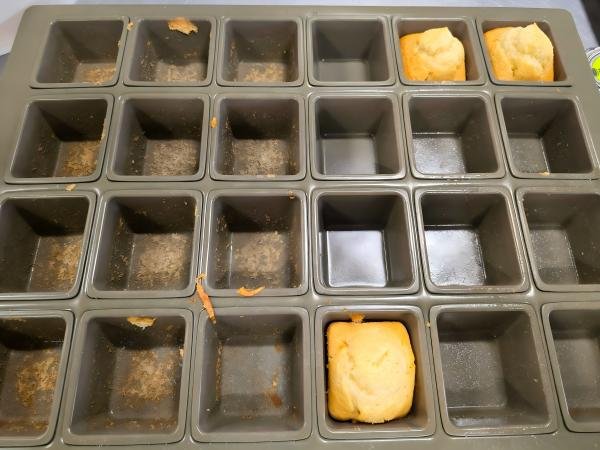
It is a common mistake to assume that if a pan works for one recipe, it will work for all of them. I have seen bakeries get into trouble this way. They might have 20 years of experience baking standard loaves at 200°C (392°F). Then, a new trend for high-heat artisan bread emerges, requiring a baking temperature6 of 250°C (482°F) to get a perfect, blistered crust. They continue using their old pans without checking the coating’s specifications. This is where experience can become a blind spot. A standard PTFE coating, for example, is generally safe up to around 230°C (446°F). Pushing it beyond that can cause the polymer to break down, releasing fumes and potentially transferring unwanted substances to your food. This is not just about performance; it is a fundamental safety issue that falls under HACCP7 and other food safety management systems. You must verify that your equipment can handle the process for every single product you make.
Common Baking Pan Coatings and Temperature Limits
| Coating Type | Typical Max Safe Temperature | Common Use Case |
|---|---|---|
| Silicone Glaze | 230°C / 446°F | Standard bread, buns, general purpose |
| PTFE (e.g., Teflon) | 230°C / 446°F | General purpose, cakes, muffins |
| High-Temp Ceramic | 280°C / 536°F | High-heat artisan breads, pizza |
| Uncoated (e.g., Aluminized Steel) | >400°C / 750°F | Breads requiring direct heat, hearth baking |
Always check the manufacturer’s data sheet for your specific bakeware before trying a new recipe, especially one that calls for higher temperatures than you normally use.
How do I choose the right baking pan coating
Faced with endless bakeware options8 online and in catalogs, picking the right pan can feel like a gamble. If you make the wrong call, you are stuck with pans that cause production headaches and waste money. Let’s simplify the process of choosing.
To choose the right coating, first analyze your product: what is the sugar, fat, and acid content? Second, check your process: what is the maximum baking temperature6 and time? Finally, consider your cleaning method9. Match these three factors to the pan manufacturer’s specifications10.
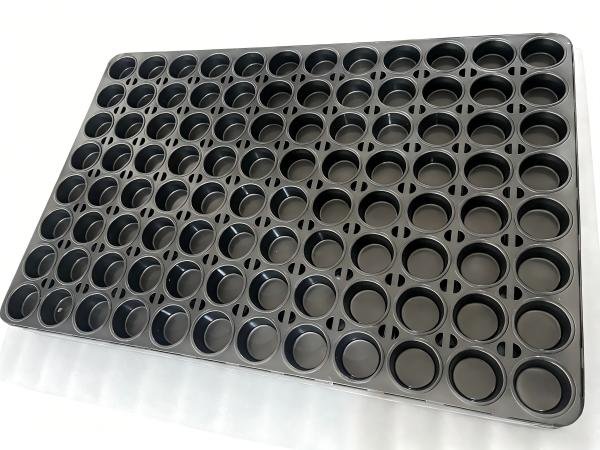
Selecting the right pan is about matching the entire tool to your specific operation. A large industrial bakery has very different needs from a luxury hotel kitchen. Before you place your next order for bakeware, take a moment to ask yourself these key questions. The answers will guide you and your supplier to the perfect, most cost-effective solution for your business.
1. What Is in Your Recipe?
The ingredients are the first clue. Products with high sugar content, like cakes and some sweet doughs, demand a coating with excellent release properties, like a high-quality PTFE. If your recipe includes acidic ingredients, such as fruit fillings or tomato sauce for pizza, you need a coating that is chemically resistant to prevent corrosion. For lean, low-sugar doughs, a durable silicone glaze11 that promotes a good crust might be the best and most economical choice.
2. What Is Your Baking Process?
Look at your entire production line. What is the maximum temperature your oven reaches? Does your process involve flash-freezing the dough in the pan before it goes into the oven? This creates thermal shock, where the pan goes from -30°C to over 200°C in minutes. It requires a very durable coating and pan material, like aluminized steel12, that will not warp or delaminate under stress.
3. How Do You Clean and Handle the Pans?
Think about what happens after the pans leave the oven. Are they washed by hand, or do they go through a high-temperature commercial dishwasher? The harsh detergents and high heat in automated washers can destroy coatings that are not designed for it. Also, consider how staff handle the pans. In a busy chain bakery, pans are often handled roughly and stacked quickly. Pans with reinforced rims can prevent dents and damage, extending their usable life significantly.
Conclusion
Using the correct baking pan coating13g](https://kkbake.com/what-pan-coatings-work-best-for-industrial-baking-operations/)[^1] is not a minor detail; it is essential for product quality, pan lifespan, and, most importantly, food safety. Always match the pan to your product.
-
Explore this link to discover the most effective pan coatings that can enhance your baking experience. ↩ ↩ ↩
-
Understanding temperature limits can help you choose the right bakeware for your recipes. ↩
-
Learn about critical food safety issues in baking to ensure your products are safe for consumption. ↩
-
Explore techniques for baking delicate items without them sticking to the pan. ↩
-
Understand how your baking process influences the choice of pans for optimal results. ↩
-
Understanding baking temperatures can help you achieve the best results in your baking. ↩ ↩
-
Learn about HACCP and its importance in maintaining food safety standards in baking. ↩
-
Discover a variety of bakeware options tailored to specific baking needs. ↩
-
Explore effective cleaning methods to maintain your baking pans and extend their lifespan. ↩
-
Learn how to access manufacturer specifications to ensure you choose the right bakeware. ↩
-
Discover the benefits of using durable silicone glazes for your baking pans. ↩
-
Find out why aluminized steel pans are a great choice for high-temperature baking. ↩
-
Learn about various baking pan coatings to choose the best one for your baking needs. ↩